

A sump pump removes water before it starts building up in a basement, cellar or other lower-ground area. Water collects in a sump pit, and when it reaches a certain level, the pump switches on and moves it through a discharge pipe and away from the property.
The system works automatically, so you do not normally need to switch the pump on yourself. Once the water level drops, the pump switches off again and waits until more water collects. In this article, we’ll look at what a sump pump does, how the system works and the different types available, as well as when you may actually need one and what to look out for if there is a problem.
What is a Sump Pump
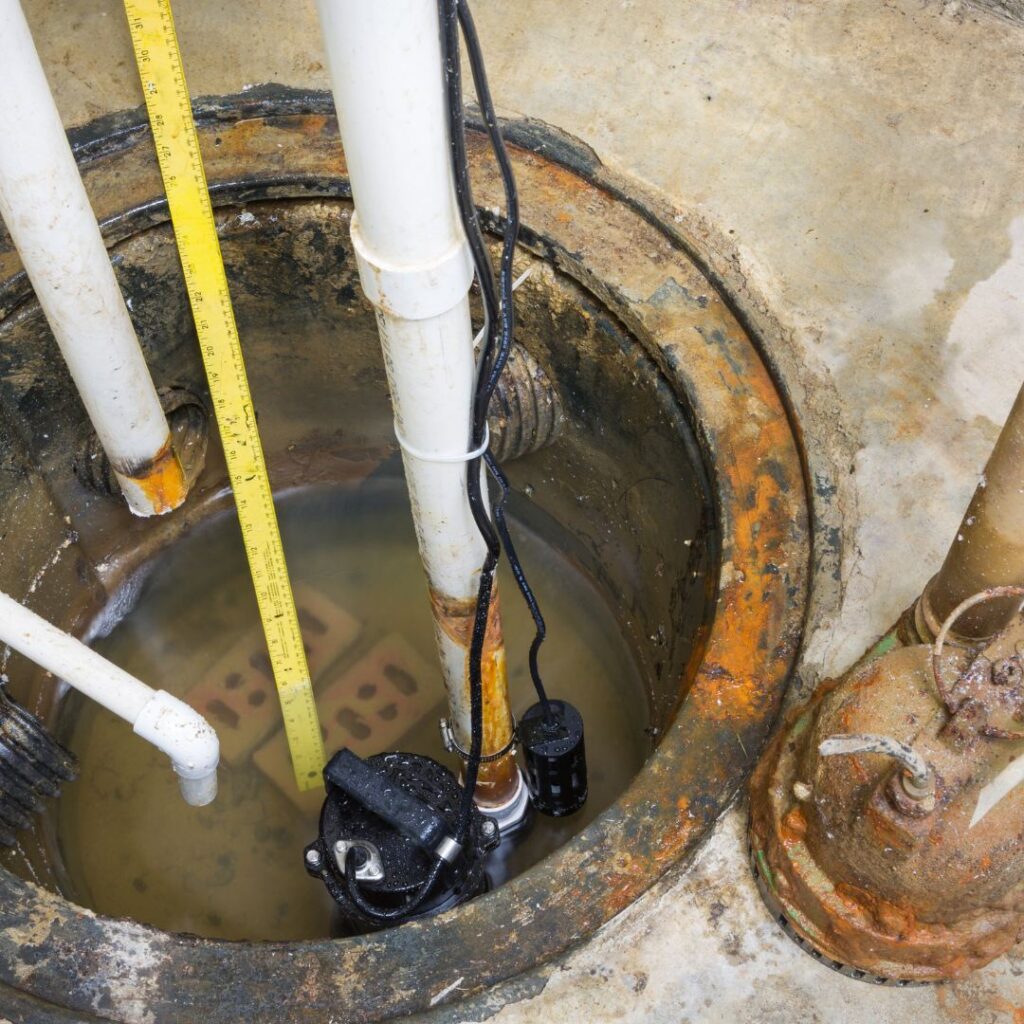
A sump pump is a pump that sits in a sump pit, also known as a sump basin. The pit is usually set at the lowest point of a basement, cellar or lower-ground area so that water has somewhere to collect rather than spreading across the floor.
As water enters the pit, the level gradually rises. Once it reaches the set level, the sump pump switches on and pumps the water out through a discharge pipe and away from the property.
It is worth knowing that the pump is only one part of the system. The different parts all have a job to do:
- Sump pit: collects the water in one place.
- Sump pump: removes the collected water.
- Float switch or sensor: detects when the water level rises and tells the pump when to start and stop.
- Discharge pipe: carries the water away from the property.
- Check valve: helps stop water in the discharge pipe from running back into the sump pit.
So, in simple terms, a sump pump system gives water somewhere to collect and then removes it before it can build up to a level where it causes flooding.
It is also important to understand what a sump pump does not do. It does not stop water from entering the property in the first place. Its job is to deal with the water once it reaches the sump system.
What Do Sump Pumps Do
The main job of a sump pump to remove water from the sump pit and pump it away from the property before the water level gets too high.
When water starts collecting in the pit, the level rises until it reaches the pump’s activation point. The pump then switches on and sends the water through the discharge pipe, moving it away from the building. Once the water level drops again, the pump switches off.
This makes a sump pump useful for basements, cellars and other lower-ground areas where water can collect and may not be able to drain away naturally.
It is important to remember that a sump pump does not fix the source of the water. If you have a leaking pipe, blocked drain or another plumbing problem causing water to enter the property, that issue needs to be dealt with separately. The sump pump is there to remove the water once it reaches the system.
How Does a Sump Pump Work
- 1. Water Enters the Sump Pit - Water first needs to reach the sump pit. Depending on the property's drainage system, this may happen through channels or drainage pipes that direct water towards the basin, or through water naturally collecting at the lowest point. The pit provides somewhere for the water to gather rather than allowing it to spread across the floor.
- 2. The Water Level Rises - As more water enters the basin, the water level rises. A sump pump normally has a float switch or another type of level sensor. The switch monitors the water level and is set to activate the pump once the water reaches a particular point.
- 3. The Pump Switches On - When the water reaches the activation level, the switch starts the pump motor. This happens automatically, so the pump does not normally need to be turned on manually whenever water enters the pit.
- 4. The Pump Moves the Water -The motor drives the pump mechanism, which moves water from the sump pit into the discharge pipe. In many pumps, a rotating impeller creates the pumping action. The important point for a homeowner is that the pump creates enough pressure to lift the collected water and move it through the discharge system.
- 5. Water Leaves - The water then travels through the discharge pipe and away from the property. The discharge route matters because water should not simply be released beside the foundation where it can soak back into the ground and return towards the sump.
- 6. The Pump Switches Off - As the pump removes water, the level in the sump pit falls. Once it drops below the switch's shut-off point, the pump stops. It then remains off until enough water enters the pit for another cycle.
What Are the Different Types of Sump Pumps?
Why Might You Need a Sump Pump?
Not every property needs a sump pump, but it can be useful where water regularly collects in a basement, cellar, lower-ground area or another space where it cannot drain away effectively by gravity.
A sump pump may be worth considering if:
- Water enters a lower-level area after heavy rain.
- Groundwater regularly collects beneath or around the property.
- The property already has a sump pit or drainage system that uses a pump.
- There has been previous flooding in a basement or lower-ground area.
- Water needs to be lifted to reach a suitable discharge point.
- Collected water is directed into a sump basin.
The source of the water still needs to be considered. A leaking pipe, defective appliance or blocked drainage system may need a different solution rather than a sump pump.
How Do You Choose the Right Sump Pump?
Choosing the right sump pump is about more than picking the pump with the highest power rating. The amount of water entering the sump pit, the height and distance the water needs to travel, the type of pump and the existing drainage all affect which system is suitable.
Most sump pump systems use an automatic pump because it can start when the water reaches a set level without anyone needing to switch it on. Manual pumps require you to operate them yourself, so they are less convenient where water can enter the sump when nobody is there. For most properties that rely on a sump pump to control water levels, automatic operation is the more practical choice.
The pump needs to be powerful enough to handle the amount of water entering the sump pit. A pump that is too small may struggle when water levels rise quickly, while choosing a much larger pump than the system needs does not automatically make it a better choice. Horsepower is only one part of the picture. The pump’s actual capacity needs to be considered alongside the amount of water entering the pit and the distance it needs to move the water.
The height the pump needs to lift the water is often referred to as head pressure. The longer the discharge route and the higher the water has to be lifted, the more work the pump needs to do. This means you should not choose a pump based only on its advertised flow rate. The discharge pipe, fittings and final discharge point can all affect how much water the pump can actually move.
The sump pit itself also matters. Its size, layout and the way water enters the pit can affect which pump is suitable. The pump needs to work with the existing drainage and discharge route rather than being treated as a standalone appliance. Looking at the whole sump pump system gives a much better idea of what is actually needed.
A power cut or pump failure can leave water rising in the sump pit when you need the system most. A battery backup sump pump can provide another way of removing water if the primary pump stops working or the electricity goes off. A water-level alarm can also alert you when the water rises beyond its normal level. For properties at greater risk of flooding, having both backup pumping and an alarm can provide an extra layer of protection.
Need Help With Your Sump Pump?
A sump pump system can help keep water under control in a basement, cellar or lower-ground area, but the right setup depends on the property, the amount of water entering the pit and where that water needs to go. The pump, sump pit, drainage and discharge route all need to work together properly.
If you are considering a sump pump installation, replacement or maintenance, getting the system assessed first can help make sure the pump is suitable for the way the property needs to use it.
Plumbing Immediately can help you with a local plumber for sump pump services across Greater London, including repair, maintenance, installation and replacement. We are available 24/7, including weekends and holidays.
Call and tell us your location and what you need help with, and we can send you a plumber who can assess the system and discuss the work needed.
Need Sump Pump Services?
Whether you need a sump pump installation, repair, maintenance or replacement, Plumbing Immediately can send you a local plumber across Greater London. Call today and tell us what you need. We’ll send you a plumber who can assess the sump pump system and discuss the work needed.