

Have your grease traps stopped flowing water, or has your home or commercial kitchen been filled with smelly aromas because you decided to delay the cleaning process of your grease trap or you just didn’t know how often you need to clean a grease trap? Don’t worry, this is a safe place for you. We all have been in your place at least once and now we’re going to take care that you leave from this blog with a clear understanding of how often to clean a grease trap, the importance of doing it, what happens you delay it (that may be your case), and where to find professional drainage engineers cleaning grease traps, that comes to you in under 40 minutes.
What happens if grease traps are not cleaned?
Grease traps are important because they prevent oil and FOG from entering your home or commercial drainage system. If they’re not maintained as they are supposed to they start causing problems and stop functioning. Cleaning out a grease trap is essential to preventing these common problems:
1. Slow draining or blocked grease trap
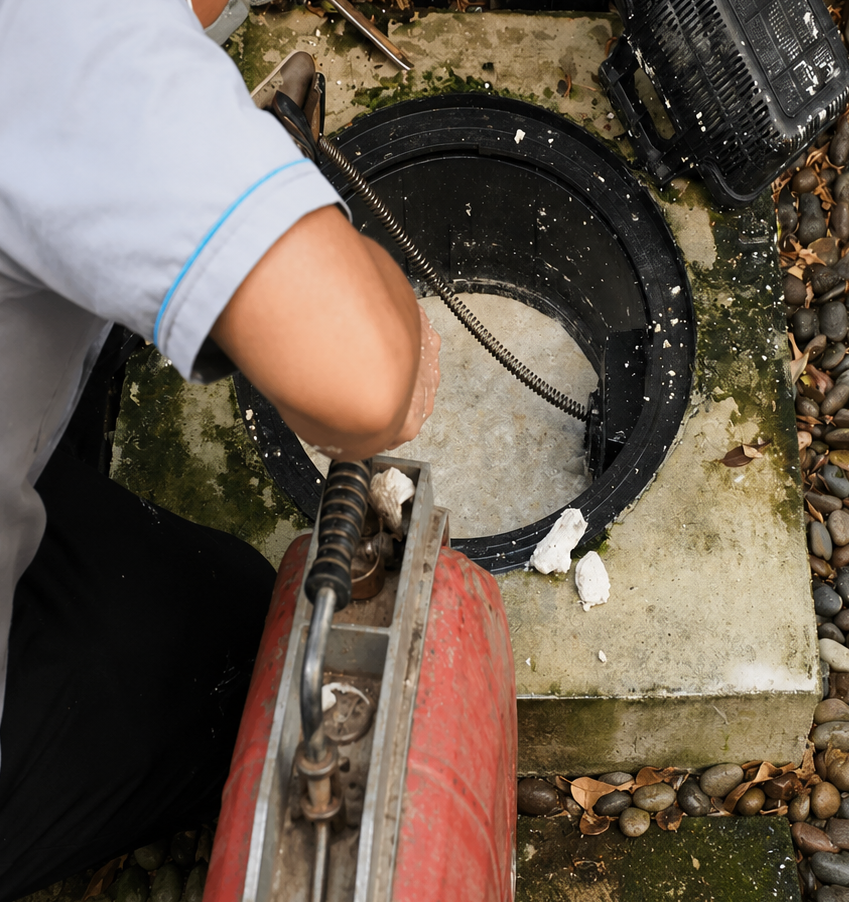
The most common problem caused by not cleaning out a grease trap is that water slowly starts not flowing as smoothly as it’s supposed to and eventually it stops running at all. This is caused by oil and FOG build up inside the drain that makes water overflow back into the kitchen sink. This can be fixed by continuous grease trap maintenance by pouring regularly pre-rinsing dishwasher-bound items or with grease trap maintenance schedule service for better reliability.
2. Bad smells and foul odorous
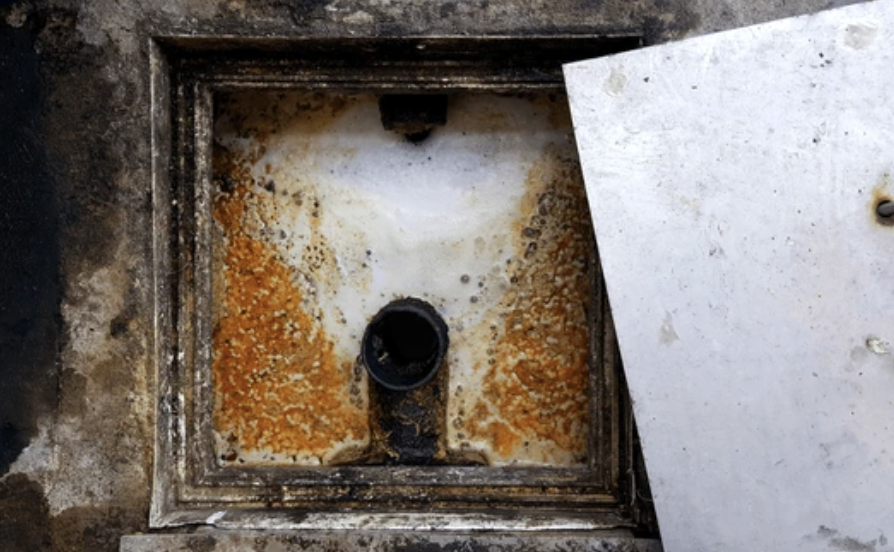
This one is very noticeable. If grease traps smell like something has died inside them, it’s probably just a mix of food waste, oil and bacteria that make it smell that way. This means that your grease traps are probably blocked and they need a deep cleaning, or another case may be that they have reached the end of their life span. Bad smells can also be prevented by regular grease trap maintenance also by installing a biological dosing system, but for that a professional should take care of, and with a grease trap maintenance schedule you can fix that.
3. Grease trap overflowing
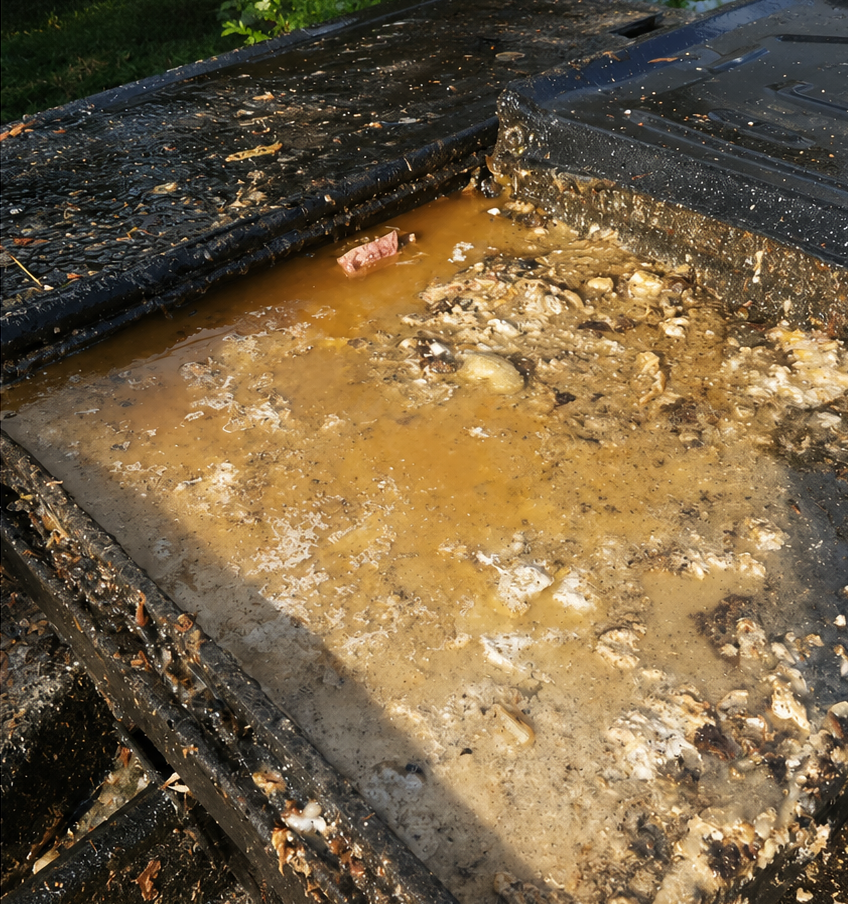
When the grease trap is full, it won’t let water flow through the drainage system, but it will push it back to your kitchen sink, or will pour the water around the trap. The solution in this case would be to regularly book grease trap maintenance, to frequently clean your grease traps and if you still have the same problem, you either need grease trap maintenance schedule to be more frequent or need to replace them into a bigger grease trap.
How often to clean a grease trap?
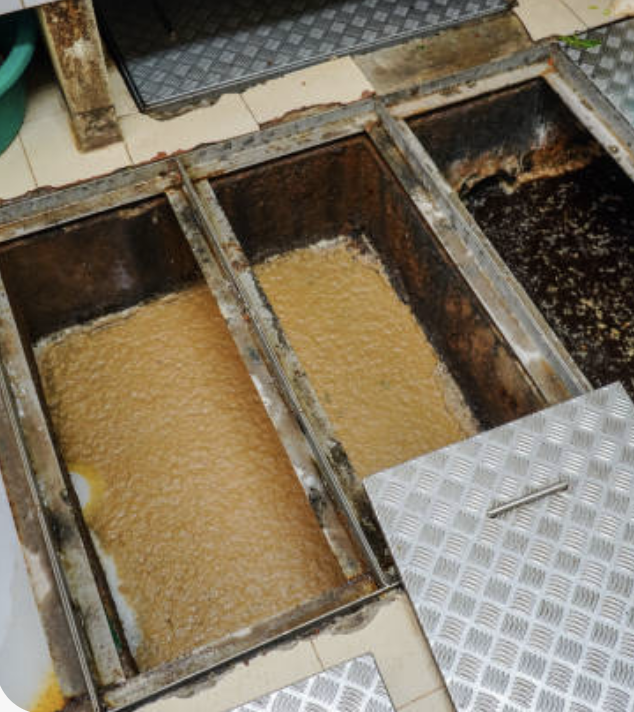
While no one likes to deal with cleaning out a grease trap, it’s very much needed to ensure water flows smoothly throughout the drainage system. And by saying this, we can naturally raise the question how often to clean out grease traps. Well, there is no universal number on how often you need to clean a grease trap, but there is indeed an internationally known “law” that helps you understand when it’s time for cleaning out a grease trap. This is known as the “¼ Rule” that means that you should clean out your grease trap when it’s filled up to its total capacity with oil and FOGs. And this is not just an urban legend, but after filling up 25% of the total grease trap capacity, FOGs need to be cleaned, otherwise they will cause problems mentioned above.
As we said before, there is no universal number of frequencies on how often you need to clean a grease trap, but after being in touch with homeowners and business owners who deal with grease trap cleaning problems every day, we can say an average would be every 1-3 months for domestic kitchens and every 2-4 weeks and 1-3 months professional grease trap cleaning service for commercial kitchens.
Factors That Affect Grease Trap Cleaning Frequency
We mentioned above the average frequency needed to clean grease traps is not universal and there are some different factors that the grease trap maintenance frequency. After doing this job for a ling time, we can surely say that these are some of the factors we can surely say they do affect how often do you need to clean e grease trap.
1. Kitchen Size
Larger domestic and commercial kitchens usually produce more wastewater, food debris, and grease every day, comparing with a normal house kitchen size or a small coffee kitchen size. This can cause drainage systems to fill up faster and require more grease trap maintenance frequency.
2. Volume of Food Prepared
The volume of the food being cooked is another factor that affects grease traps cleaning frequency, as it may need to be more frequent cleaning for higher
3. Fryer Usage
Commercial kitchens that regularly use fryers tend to produce large amounts of fats and oils. Frequent fryer use can speed up grease accumulation inside drainage pipework.
4. Amount of Grease Produced
Businesses that prepare greasy foods daily are more likely to deal with more commercial grease blockages, unpleasant odours, and restricted drainage flow without regular cleaning.
5. System Capacity
Smaller systems can be filled up much faster than larger units. For example if a kitchen has a lot of food volume being prepared, and the size of the grease trap is not the right one to handle that volume, the grease is going to be filled up much faster and it will require to be cleaned more grease trap maintenance frequency.
6. Number of Sinks Connected
Kitchens which have multiple sinks, dishwashers, and other connected machines, push larger amounts of wastewater, oil and FOGs through the drainage system, increasing the risk of blockages and grease accumulation, making it to raise the grease trap maintenance frequency.
Is grease trap cleaning a DIY job?
Trying to do things yourself to save some money looks good at first sight, but from our experience, most of our customers who have tried cleaning out a grease trap by themselves end up calling us. After they have tried to do it themselves, they have caused other damages in the drainage system, with sewer blockages and flooding being some of the most common problems we deal with daily.
Why we don’t recommend DIY, is that beside the damages of the drainage system, untouched grease traps can produce high levels of hydrogen sulphide, methane, and carbon monoxide, which can cause serious damage to your health. And based on the UK laws and regulations it can lead to serious fines for businesses who fail to provide a valid wastewater report from a certified disposal company.
We are a London based company, with more than 15 years of experience and fulfilled costumers everyday, that get professional grease trap cleaning service within 40 minutes, wherever they are based across London and Greater London. We connect you with experienced plumbers and certified drainage engineers, that take care for your grease traps and make sure to follow UK regulations and laws, so that you don’t have to worry about getting fined and get peace of mind. Call us today, and get a drainage engineers in your property within 40 minutes.
Don’t Wait Until Your Grease Traps Get Blocked
Deciding to delay a grease trap maintenance schedule, is only going to make things worse by causing more problems and costing you more in the future.
Instead of trying to do it yourself, and causing health problems to yourself or not doing everything following the UK laws and regulations, contact us and a qualified drainage engineer will come to your door within 40 minutes.
Don’t hesitate and hit the Call Now button.